
“This has been one year of a week!” is a phrase I share with students, both as a joke and a nod to the present perfect tense that we have been working on for some time. But the joke lands flat and the present perfect tense gets even harder to explain in my very first online class.
However, let’s go back and look at the seismic shift that happened over a single week in March 2020, producing a tsunami that swept all of us into the isolation of a different world. Some of us got the chance to take a deep breath before the tidal wave hit; some of us didn’t!
In Slovakia, my colleagues and I were rather lucky and managed to take that breath. First, the country got together during the last weekend of February for national and local elections. The following weekend, the teachers of my school got together for a (previously planned) weekend retreat to prepare for an upcoming inspection.
But there was a more urgent issue on everyone’s minds. We were busy discussing the spread of the coronavirus with everybody: with our students in class, in the car on the way to the retreat, in the evening over a drink with the management, and even later with colleagues before going to bed. We spent a productive weekend: sharing ideas on a variety of topics from teaching, trying out coaching and mentoring sessions on one another, and exchanging experiences about the wide range of courses that we offer in our English Language Centre in Bratislava.
On the Saturday evening, we first came across the names of different video conferencing platforms, as well as their pros and cons. We hoped we would get a chance to test them out on some of our courses, and then gradually implement them in case we ever needed to switch some of our face-to-face teaching to online delivery. Little did we know how soon this was to become reality!
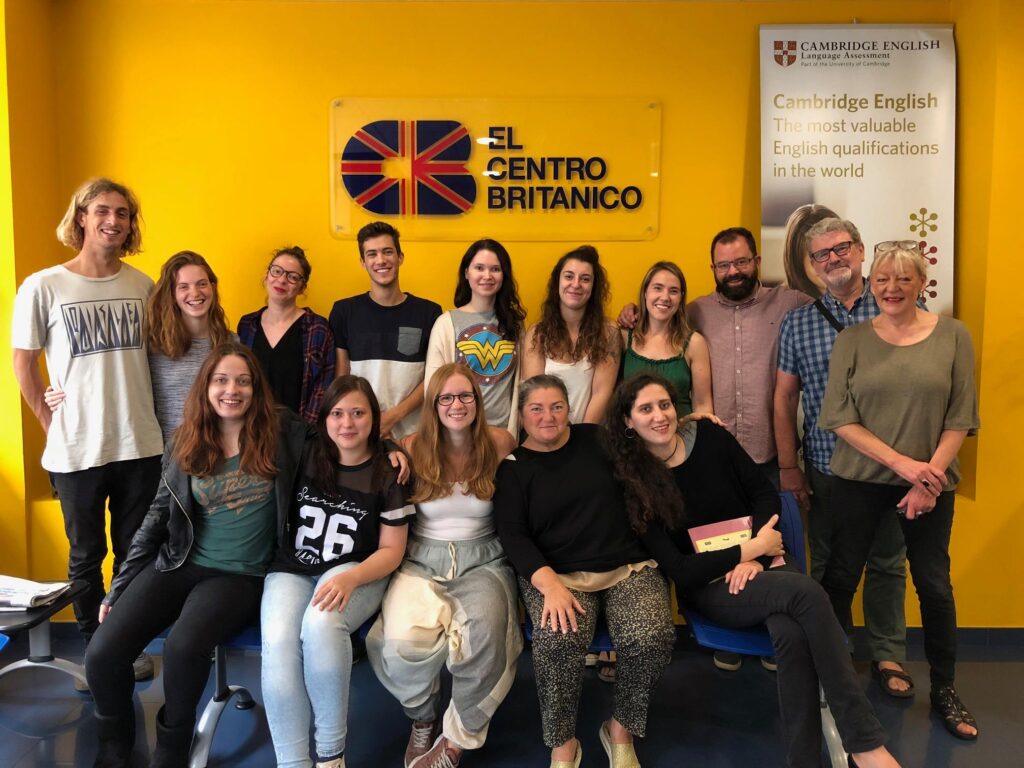
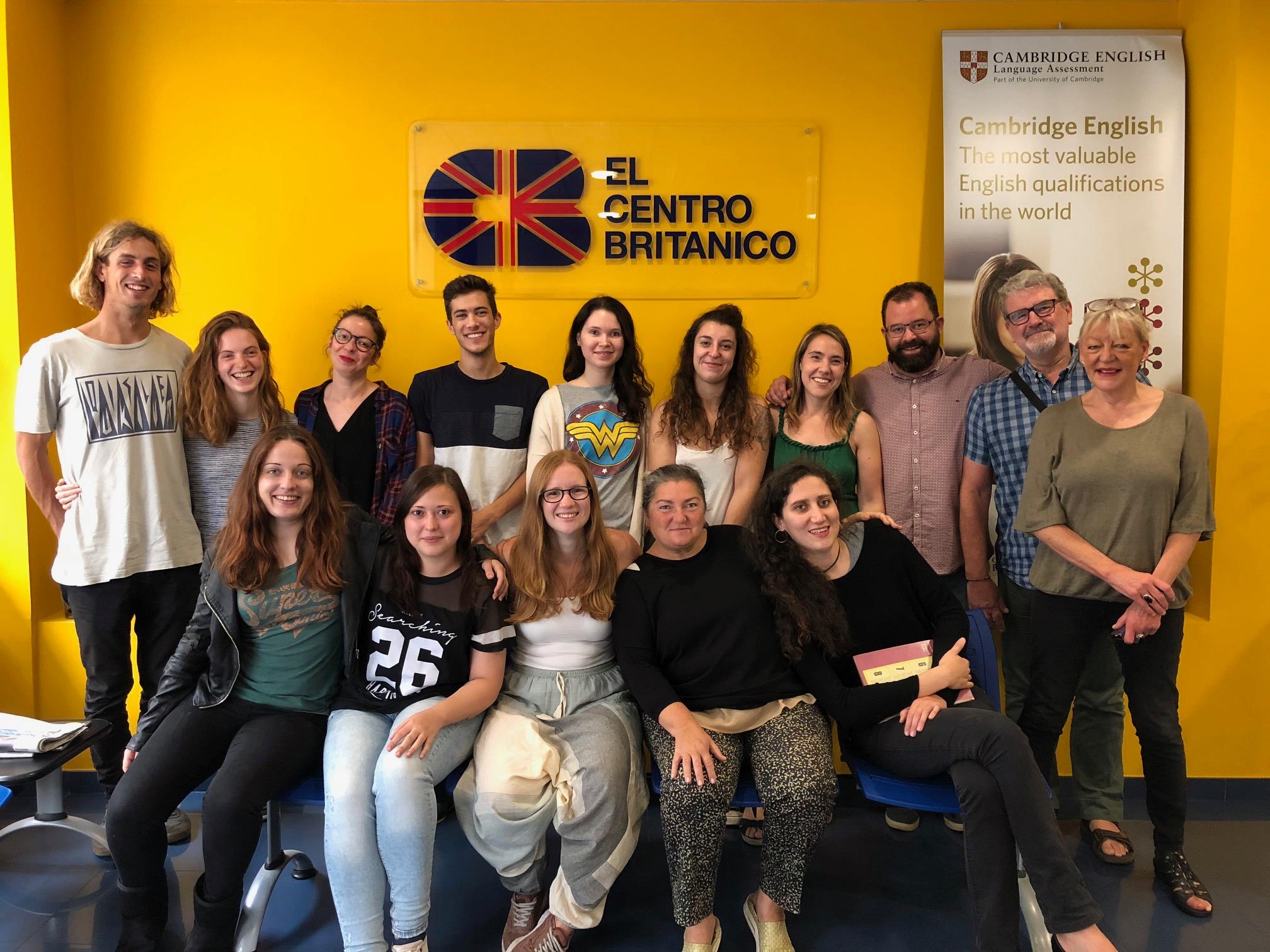
On the Sunday morning, we all posed for a group photo; not realising that it would be the last time we would all meet in person for the foreseeable future. In the evening, back in Bratislava, the governor of the region announced that all state schools within his authority should be closed. Other municipalities quickly followed suit, especially in view of the limitations imposed on transport and other public services. How to get to work without public transport?
For years, I had been putting off cycling to work but on the following Monday, I finally decided ‘to get on my bike’. At the time, I thought that this would be the main change in my daily routine for the foreseeable future. The adults on my small group courses, held in the school building, expressed a willingness to continue their classes. So, I cycled to work and, given the small size of Bratislava, I felt I could also use this mode of transport to the in-house company courses in various parts of the city. At the end of the day, I felt great and couldn’t help thinking that there could be some positive outcomes arising from the current situation.
By the time I got home on that Monday evening, everything came to a sudden stop. The owner of our school took the sensible decision to protect our staff and students by cancelling all English language classes – both in the school building and the in-company courses, especially as almost all offices had banned outside visitors including, of course, teachers of English. Suddenly, in just one day, I had no courses to teach. What is the solution when everything around you appears to have stopped?
Luckily, we now live in a world where snail mail and the telephone are not the only options to bridge the distance between teachers and their classes. There is a multitude of tools provided by Google, Microsoft, Facebook, Zoom et al, promising to fulfil all our teaching needs at a distance. What can possibly go wrong? Unfortunately, now I know it’s a lot – not only “zoombombing” or unstable connections but also neighbours making all kinds of noises, or the cat lying down on the keyboard of your laptop.
In a recent interview, Yuval Noah Harari (author of A Brief History of Mankind) pointed out that while mankind develops slowly and gradually, there are instances when this process can be accelerated. The example he gave was how his university went from teaching mostly face-to-face to teaching 100% online within a week! Left to normal development, he argued, the university would have taken decades to implement this change. In our case, having pondered over the advantages and disadvantages of various online teaching platforms during our weekend retreat at the end of February as some futuristic, science fiction fantasy, my colleagues and I were fully engaged teaching all our courses online in the middle of March. Hey Ho!
My first online class with one student was very reassuring. She invited me for an online session as she put herself into voluntary quarantine at a hotel. We used all the possibilities of Google Meet, and I was pleasantly surprised by the quality of the sound and pictures, as well as other features such as live subtitles and the options of sharing video and audio on the screen. My colleagues and I also held our first staff meeting using Zoom. After having a productive online video discussion with 20 colleagues, we all felt a sense of achievement; ready to face the challenges and problems (sometimes they ARE problems!) of online teaching.
Now, instead of the hustle and bustle of a busy school, our online teaching forums are buzzing with a variety of tools and other gizmos to teach and to entertain the students. We have the feeling that we, as experienced teachers, should already know how use them all. However, we don’t; and neither do our students! Necessity being the mother of invention, this is a good time to offer mutual support, not just to our students but also to our colleagues, in order to make the teaching/learning experience professional and even entertaining.
Not all the companies where I teach have jumped onto the bandwagon yet, and I have already been through a couple of frustrating sessions, for example, where no one has shown up for online classes. At the same time, seeing some of the students that I manage to get to an online class fills me with joy. We are not only socializing but all of us are learning as well.
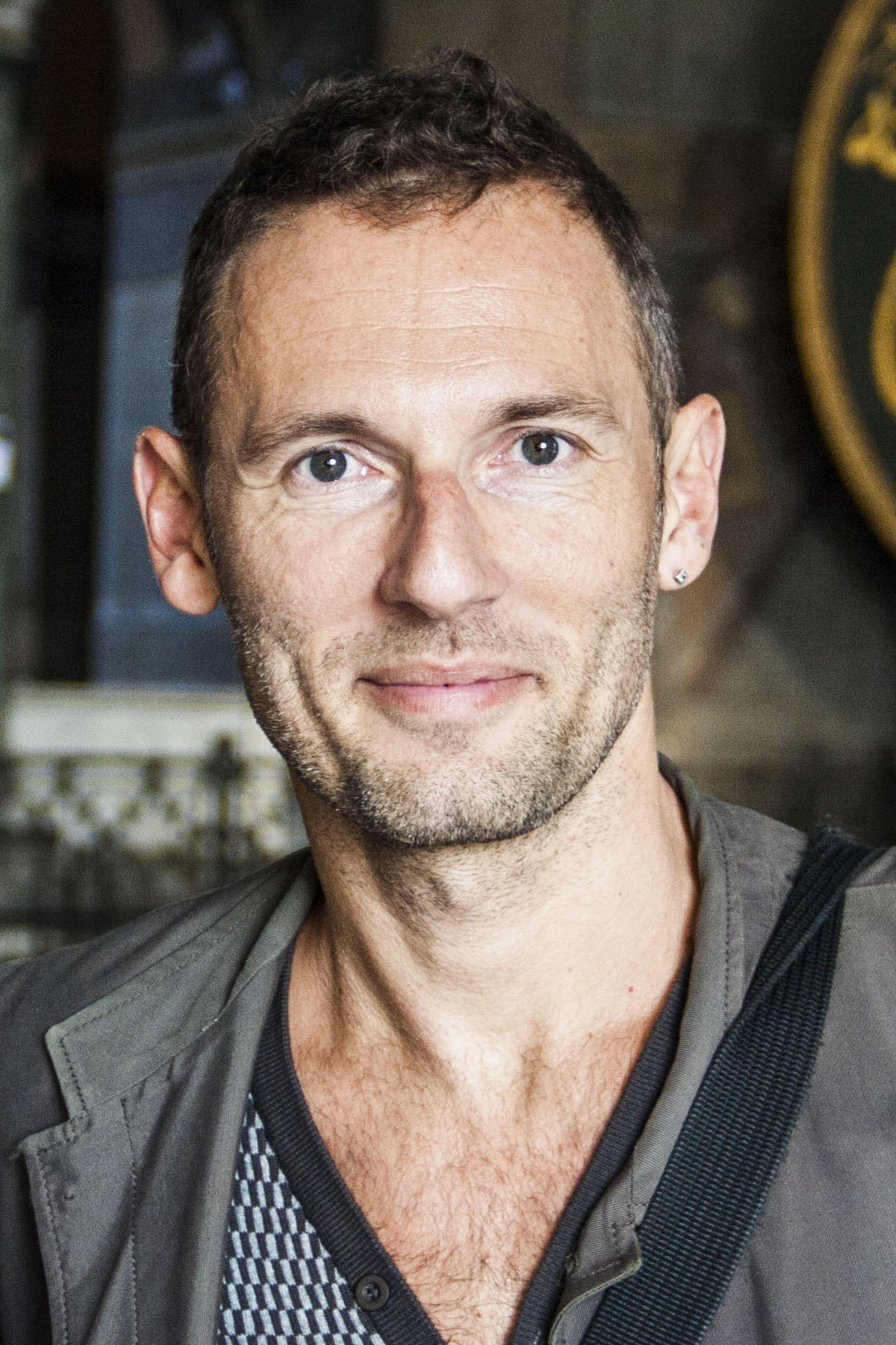
About Ondrej
Ondrej Koščík is a teacher, photographer, language and music enthusiast from Eastern Slovakia. He teaches in Bratislava for the Bridge – English Language Centre. Since 2015, he’s been an active member of the Slovak Chamber of English Teachers (a body which organises conferences and other CPD events for teachers) mainly as a conference photographer. When he’s not busy socialising (or being in quarantine), he continues to be a lifelong learner, and to share his knowledge with other teachers. Earlier this year, Ondrej was appointed the official photographer for the main IATEFL conference which was scheduled to be held in Manchester.
Contribute to the blog
If you are a member of IATEFL and would like to contribute to the blog, we’d love to hear from you at [email protected] or [email protected]. We’re looking for stories from our members, news about projects you’ve been involved in, and anything else you think those connected to English language teaching would be interested in reading. We look forward to hearing from you! If you’re not a member, why not join us?





 About Leo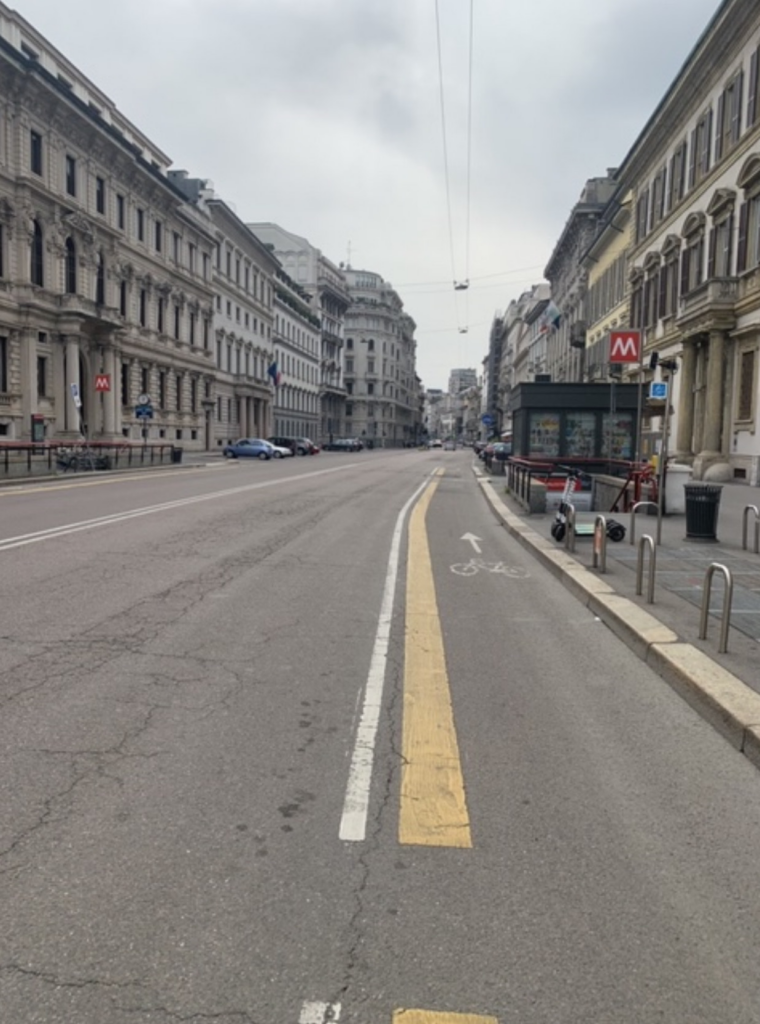
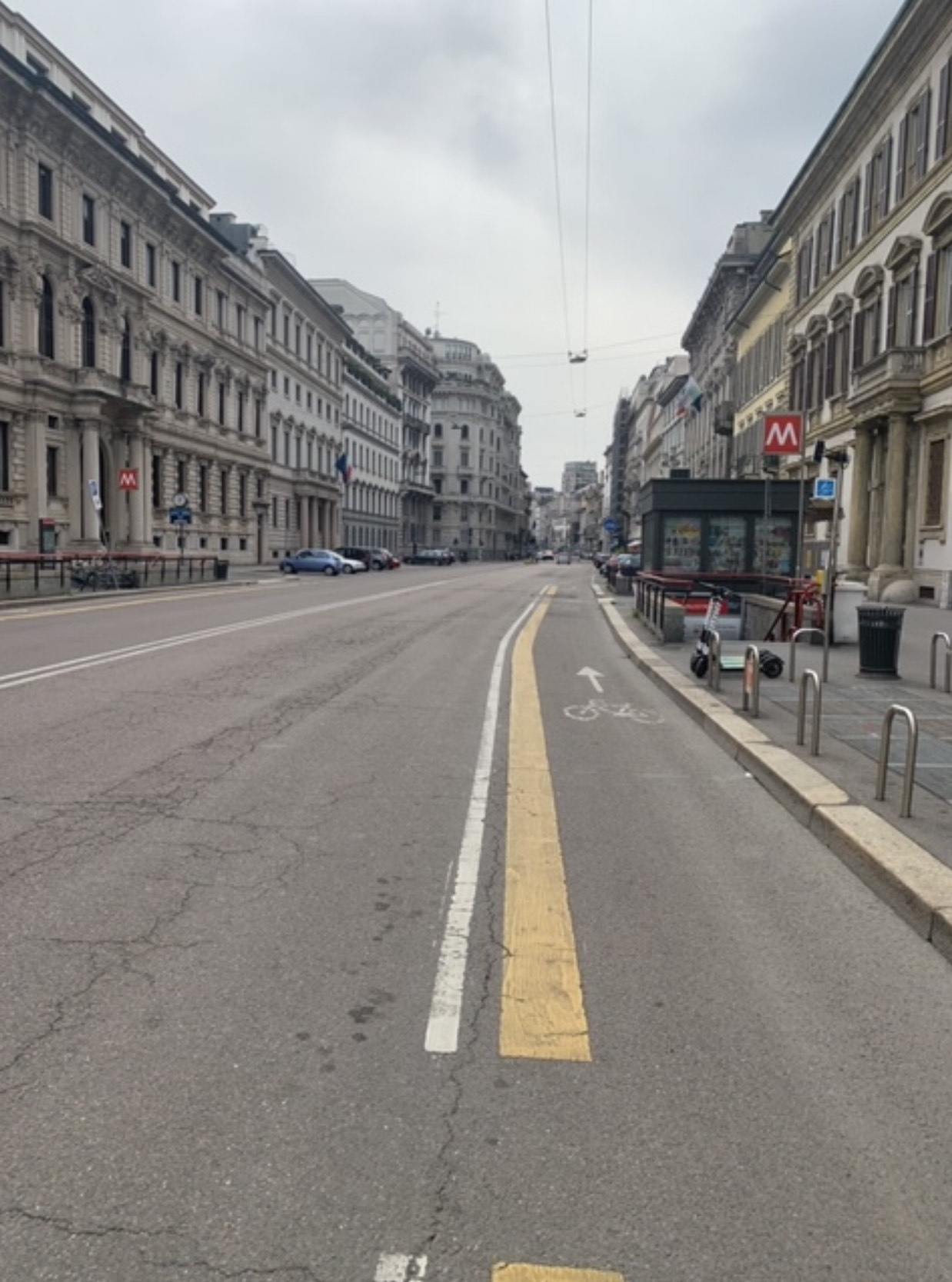 My world has suddenly become restricted. Usually, four days a week I get around Milan by bike or tube to reach the places where I teach. This routine will not be possible for some time to come.
  Online teaching has one disadvantage – you can’t have the same level of empathy, mainly because you can’t look into the students’ eyes. However, there are the emoticons! We have started using them in order to give some sort of colour to our chats. I have established a new relationship with my students because we start the lesson by sharing our ‘feelings’ with emoticons. This new Covid situation is much harder than we all admit, so, it is important to share our emotions to reduce stress levels. So, before we start, we talk about our day and share some emoticons:)
 Erica Napoli Rottstock is a DELTA qualified teacher who works as a freelance teacher in Milan, teaching Professional English at a university in Milan. In addition, she does some online teaching for children who live Gaza on behalf of the Hands Up project. She has also taught teens and toddlers in the past.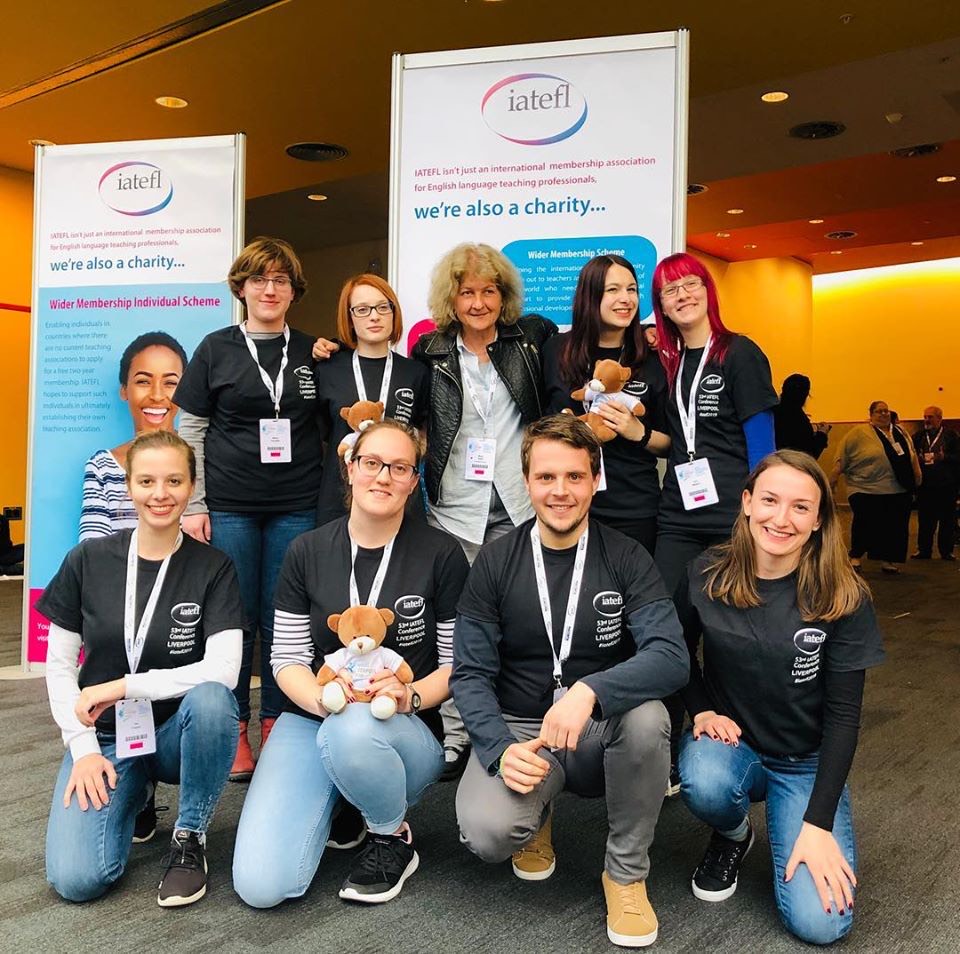
 Apart from wonderful workshops, exhibitions, and social events, IATEFL offers a wide array of possibilities which enable anyone interested to get involved not only as a delegate but also as a volunteer, member, or steward. It was the latter that caught my attention in 2019, and shortly after sending in the application, I found myself flying to Liverpool to become one of the venue stewards.
  Tjaša Čuček is a student member of IATEFL, who is currently pursuing a Master’s degree in ELT at the University of Ljubljana in Slovenia. As a holder of a Degree in English Language and Comparative Literature, she is interested in Shakespeare, applied linguistics, and materials development.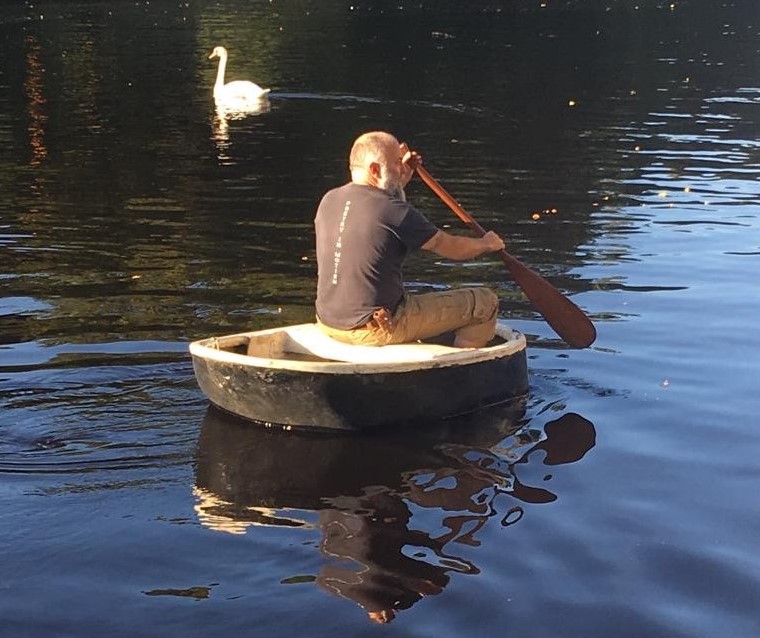
 Dr. Aiden Yeh is an Assistant. Professor and Director of Academic Cooperation & Exchange Section at Wenzao Ursuline University of Languages, Taiwan, where she also serves as Academic Adviser for Southeast Asian Studies Program. She has a PhD in Applied Linguistics (University of Birmingham, UK) and MSc in ELT Management (University of Surrey, UK).
 Secondly, living in a small remote community has shaped my life as a teacher. My first training course was online, of course, because I couldn’t attend physically any training course, nor they were offered in a 500 km radio location. It was a very basic course for new teachers while I was preparing for the CELTA course. At the same time, I started tutoring small groups of children and adults. Nowadays, I still appreciate the confidence those clients had put in my teaching because, on the other hand, dozens of students were travelling 80 daily kilometres to the nearest town to attend lessons in an English school. That was my issue in the past, that is the issue that students suffer if they want to improve their English and live in an isolated area. It is sort of an issue if you live in a rural area, kind of doomed. But we are not doomed really, we are not second-hand residents. Nevertheless, I am not writing here in order to victimise ourselves but to recognise our own value as citizens and, particularly, as teachers.
 After getting my certificate, I felt valued and accepted within the teaching community, I met colleagues and more importantly, I validated myself as an EFL teacher. Once this had been done, then moving into teacher development was the next step, as much imperative and necessary as the CELTA was.
 Let’s face unemployment, emigration, low population rates (just to quote the biggest issues that rural communities are confronting), but let’s get students interested in learning English outside the formal education system. Our aim as teachers within the non-formal education is to make sure those students keep their interest alive without having to pop into a car for one hour each day. Let’s provide this service in their small communities and make sure they want to attend English lessons after school. Be creative. Assess them. Support them in each exam. It is our duty to keep on track with our own education and development as well, because as teachers we should never stop being students. We are lifelong learners.
 I teach a wide range of ages, from 3-year-olds to adults, individually or in small groups. Working with small groups or private tutoring is not a joy for some teachers. However, I take pleasure in it. I have known some of my students for five years, I have seen them grow throughout the years. There is some complicity, even confidence, when teaching the same students for a long time. We take joy together when we talk about our surroundings and our roots, and some lesson planning is inherently bound to the environment we live in. It is our shared heritage. It is my plan to keep sharing my heritage with students, although the uncertainty is (fore)shadowing the future. But that matter is an interesting topic for another post.